
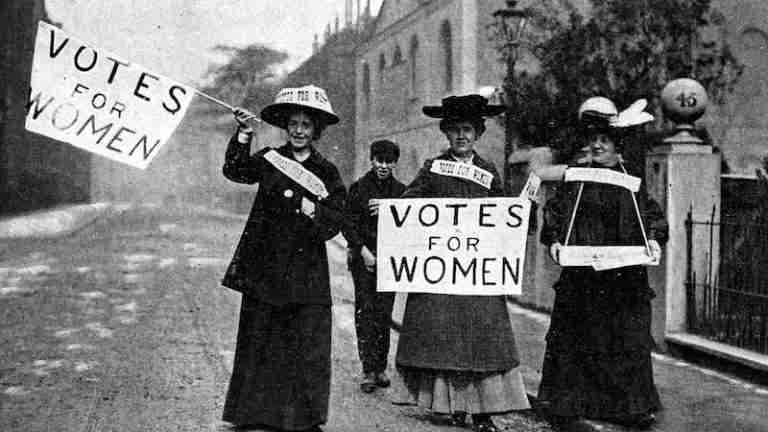
The battle for women’s suffrage in NB was a pivotal chapter in the broader Canadian suffrage movement. For many years, New Brunswick women, like those across the nation, encountered strong opposition as they fought for equal political rights. Despite widespread resistance, these resolute women organized, petitioned, and protested, shedding light on the injustice of their disenfranchisement. This is the story of their determined effort to secure the right to vote in provincial elections, a crucial milestone in the journey toward gender equality within the province’s political arena.
In 1843, New Brunswick officials enacted a law limiting the right to vote exclusively to men. Prior to this, the province’s 1795 electoral legislation had permitted “persons” who met specific qualifications to vote, and there is evidence that some women participated in voting before the 1843 restriction.

In 1886, following numerous petitions from town and city councils and small groups of women, the New Brunswick legislature passed a bill granting the municipal franchise to unmarried women who met the same property qualifications required of men.
In 1894, the New Brunswick Women’s Enfranchisement Association (WEA) was established in Saint John, evolving from a small society aspiring to become a branch of the Dominion Women’s Enfranchisement Association. Seeking to forge connections beyond the region, the WEA voted to send a representative to the National Council of Women convention in Ottawa.
In 1895, in response to over a dozen petitions presented to the legislature in favour of an enfranchisement bill, which ultimately failed to pass, the Saint John Telegraph published a significant editorial. The article commended the suffragists’ efforts and sharply criticized government officials, dismissing the opposing arguments as “denominated as twaddle.”
A year later, the Association for the Advancement of Women, an American women’s rights organization, held its convention in Saint John. In a twist of irony, prominent American suffragist Julia Ward Howe stayed at the home of New Brunswick Chief Justice William Tuck, who was opposed to the idea of women participating in the public sphere.
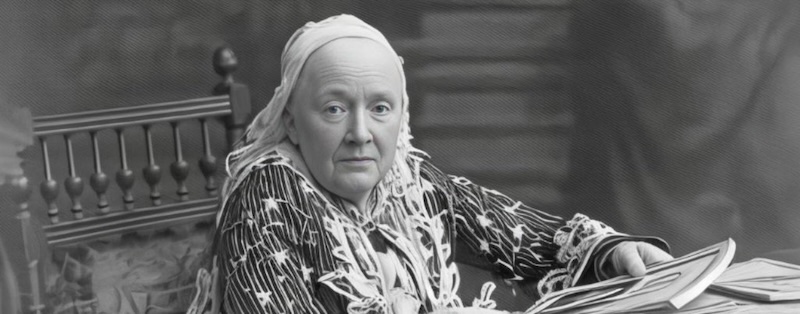
The Ladies’ Reading Room and Current Events Club was founded around this time. The members had been excluded from attending lectures and suffrage debates at the local men’s club. The Ladies’ Club attracted women from various social backgrounds, engaging them politically by providing information about the suffrage movement through international newspapers and journals.
In 1912, the New Brunswick Women’s Equality Association organized a public talk by the renowned British suffragette Sylvia Pankhurst at the Saint John Opera House. Pankhurst spoke about the power of strategic militancy, sharing the stage with local suffragist and social reformer Emma Skinner, a prominent leader in the Women’s Enfranchisement Association.

On April 17, 1919, New Brunswick women finally won the right to vote, although they were not yet allowed to hold provincial office. It wasn’t until March 9, 1934, that they gained the right to hold provincial office.
On January 1, 1963, Status Indians in New Brunswick were granted the right to vote in provincial elections.
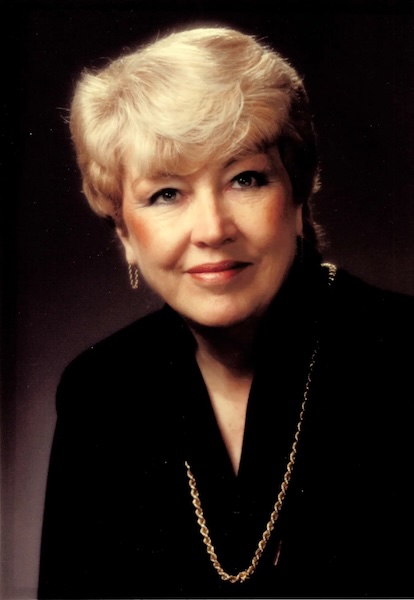
History was finally made in 1967 when Brenda Robertson became the first woman elected to the New Brunswick legislature.
This post has already been read 2919 times!


