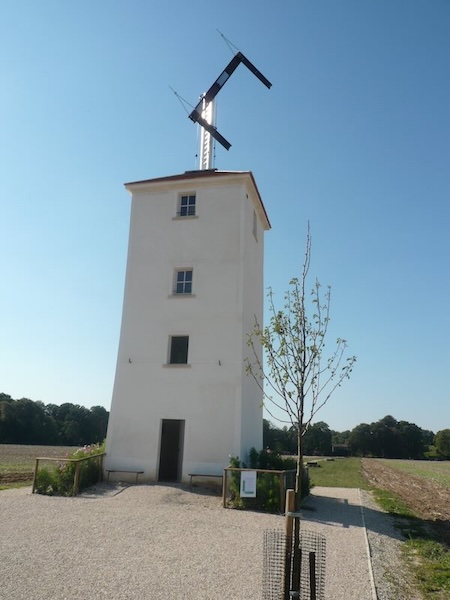
Back in the late 1700s, the Lower St. John River Valley was ahead of its time in telecommunications.
At sites like a hilltop in Evandale, visual telegraph stations once stood—a cutting-edge system that slashed communication times from days to mere minutes. “Before the visual telegraph, the fastest way to send a written message was by horse—maybe 160 kilometres in a day. With this system, a message could reach Halifax from Fredericton in minutes.
The visual telegraph worked through a chain of signal towers in direct line of sight. Operators used flags or wooden arms to send messages, which were read with telescopes and passed along the line station by station.
It might seem clunky now, but in its day, it was revolutionary. Before that, if you wanted to send a detailed message, you’d write it, hand it to a rider, and hope the horse held up until the next one.
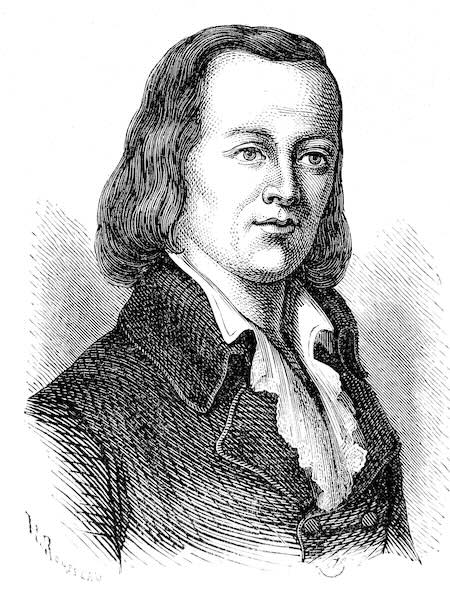
Invented in the 1790s by Frenchman Claude Chappe, the idea was picked up by Prince Edward Augustus, Duke of Kent—Queen Victoria’s father and commander of British forces in North America, based in Halifax. For military leaders, the benefits were obvious: a suspicious ship in the bay could be reported across provinces in minutes.
The goal was to connect Halifax to Quebec City, with extensions along the Bay of Fundy and up the St. John River. While the full route remains a mystery, historian William Francis Ganong noted the line crossed from Nova Scotia at Chignecto to near Martins Head—Telegraph Brook still hints at the site. The next known station was in Saint John near the Martello Tower.
How far the system extended beyond that is unclear. Our histories are silent as to whether it was ever fully operational. Full details may lie buried in British military archives.
Though time has erased most traces of the network, some evidence remains. LiDAR scans have revealed what looks like the foundation of a blockhouse tied to a former tower. A high-tech ghost of a high-speed past.
This post has already been read 672 times!